Imagine having a digital copy of your voice that can read, speak, sing, or narrate anything you type. That is the power of voice cloning. It sounds futuristic. But today, it is real, accessible, and easier than ever. With modern voice cloning tools, you can build custom voice models in just a few steps. And you do not need to be a tech genius to do it.
TLDR: Voice cloning tools let you create a digital version of a real voice using artificial intelligence. You record samples, train a model, and generate speech that sounds natural and human. These tools are useful for creators, businesses, educators, and more. They are powerful, but they must be used responsibly and with clear permission.
What Is Voice Cloning?
Voice cloning is a technology that copies the sound and style of a human voice. It uses artificial intelligence to study how you speak. It listens to tone. Pitch. Speed. Accent. Emotion. Then it builds a voice model that can talk just like you.
Think of it like teaching a robot to speak in your voice. You give it examples. The AI learns patterns. Then it generates new speech that sounds natural.
The result can be scary good. Sometimes it is hard to tell the difference between the real voice and the cloned one.
How Voice Cloning Tools Work
Most voice cloning tools follow a simple process:
- Step 1: Record Samples
You record your voice. Usually a few minutes to an hour of speech. The more variety, the better. - Step 2: Upload Audio
You upload the recordings into the voice cloning platform. - Step 3: AI Training
The system analyzes your speech patterns. It builds a custom voice model. - Step 4: Generate Speech
You type text. The model speaks it in your cloned voice.
Some advanced tools even allow emotion control. You can make the voice sound happy. Calm. Excited. Serious.
Why People Use Voice Cloning
Voice cloning is not just a cool trick. It has real uses.
1. Content Creation
YouTubers and podcasters use voice models to create content faster. They can fix mistakes without re-recording. They can update scripts anytime.
2. Audiobooks
Authors can narrate books in their own digital voice. Even if they are not professional voice actors.
3. Gaming and Animation
Game developers can create unique character voices. Animators can test dialogue quickly.
4. Accessibility
For people losing their voice due to illness, voice cloning can preserve how they sound. This is powerful and emotional. It gives people a way to keep their identity.
5. Businesses and Customer Support
Companies use cloned voices for automated assistants. It helps build brand personality.
Popular Types of Voice Cloning Tools
There are several categories of tools available today.
Instant Voice Cloners
These require only a few minutes of audio. They are fast and easy. Great for beginners. The quality is good, but not perfect.
Professional AI Voice Studios
These platforms offer higher quality models. They may need more recordings. But the results sound very realistic.
Open Source Solutions
For tech-savvy users. These tools allow deep customization. But they require coding skills and powerful computers.
API Based Voice Systems
Developers use these to integrate cloned voices into apps, games, and websites.

What Makes a Good Voice Cloning Tool?
Not all tools are equal. When choosing one, look for these features:
- Natural Sounding Output
Voices should not sound robotic. - Emotion Control
Can you adjust tone and mood? - Language Support
Does it support multiple languages and accents? - Speed of Processing
How long does training take? - Security and Privacy
Your recordings should be protected.
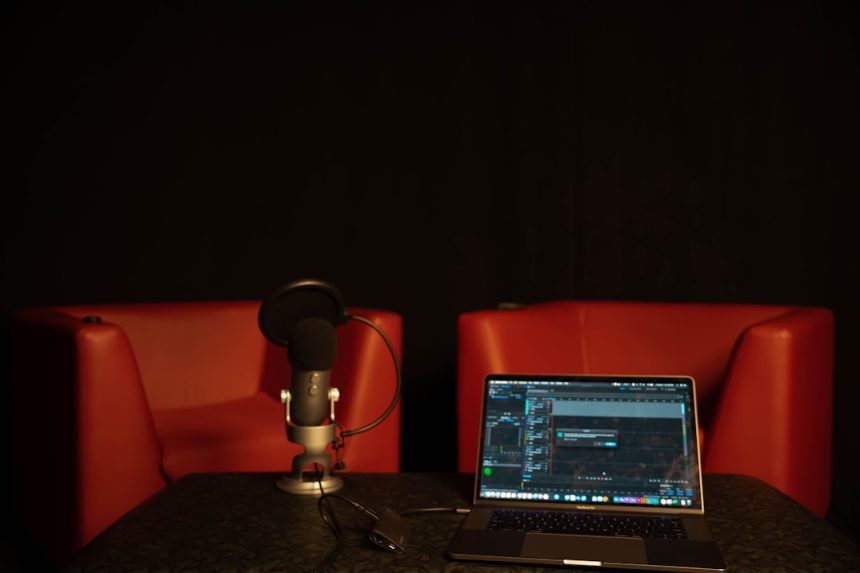
Quality depends on data. Clear recordings make better models. Record in a quiet room. Use a good microphone. Speak naturally.
Tips for Creating a Better Custom Voice Model
If you want your cloned voice to sound amazing, follow these tips.
- Record Variety
Say different types of sentences. Questions. Statements. Emotional lines. - Use Clean Audio
Avoid background noise. Turn off fans and phones. - Speak Clearly
Do not rush. Do not whisper. - Add Emotion
Smile while speaking. Show excitement. Add depth. - Check Pronunciation
Say tricky words clearly during training.
The AI can only learn from what you give it. Good input equals good output.
Ethics and Responsibility
Voice cloning is powerful. But with power comes responsibility.
You should only clone your own voice. Or get clear permission. Using someone else’s voice without consent is unethical. In many places, it is illegal.
There is also the risk of deepfake scams. Fake phone calls. Fake audio clips. This is why many platforms add watermarks or require identity checks.
Always use voice cloning in a transparent way. If an audience is listening to AI-generated voice content, let them know.
The Technology Behind the Magic
Under the hood, voice cloning uses deep learning. Specifically, neural networks.
These networks analyze:
- Pitch patterns
- Speech rhythm
- Breathing sounds
- Accent features
- Phoneme timing
The AI breaks speech into tiny sound units. Then it reconstructs them in new combinations.
Some systems use text to speech engines combined with speaker adaptation models. Others use advanced generative audio techniques.
The result feels natural. Fluid. Human.
Costs and Pricing
Voice cloning tools range in price.
- Free Plans
Limited features. Watermarked audio. Good for testing. - Subscription Models
Monthly or yearly payments. More flexibility. - Pay Per Use
You pay based on generated minutes. - Enterprise Solutions
Custom pricing. Full control. High quality support.
If you are just experimenting, start small. Upgrade later.
Challenges You Might Face
Voice cloning is amazing. But it is not perfect.
You might notice:
- Struggles with unusual names
- Flat emotional delivery
- Accent inconsistencies
- Odd pauses
Most of these issues can be improved by retraining the model or providing better data.
The Future of Custom Voice Models
The technology is evolving fast. Very fast.
In the future, voice models may:
- Capture subtle emotions perfectly
- Switch languages smoothly
- Age with you over time
- Sing naturally
We may also see stronger regulations. More identity protection. Better watermark detection systems.
Voice could become part of your digital identity. Like a fingerprint. Unique and secure.
Is Voice Cloning Right for You?
Ask yourself a few questions:
- Do you create regular content?
- Do you want to save recording time?
- Do you need consistent voice narration?
- Are you comfortable using AI tools?
If you said yes to most of these, voice cloning could be a smart move.
It can save time. Increase output. Boost creativity.
Final Thoughts
Voice cloning tools are changing how we create and communicate. They turn simple recordings into intelligent voice models. They help creators scale content. They give businesses personality. They even preserve human identity.
The technology is exciting. Fun. Powerful.
But it must be used wisely. Always get permission. Always be transparent.
With the right tool and a clear voice sample, you can build your own digital twin. A voice that speaks anytime you want. A voice that works for you. Even when you are silent.
The future is not just typed. It is spoken. And now, it can sound exactly like you.