
Modern digital experiences no longer live in a single place. Brands today publish content to websites, mobile apps, smartwatches, digital kiosks, voice assistants, and even augmented reality platforms. Managing all of that content efficiently can be overwhelming—unless you’re using a headless CMS. Unlike traditional content management systems, headless CMS platforms separate the backend content repository from the frontend presentation layer, making it easier to deliver content anywhere via APIs.
TL;DR: Headless CMS platforms give businesses the flexibility to deliver content across multiple devices and channels using APIs. They separate content management from presentation, enabling faster development and omnichannel consistency. In this article, we explore six powerful headless CMS tools that help teams scale content efficiently. Whether you’re a developer, marketer, or enterprise leader, there’s a solution here tailored to your needs.
Let’s dive into six standout headless CMS platforms that are redefining how content is created, managed, and delivered.
1. Contentful
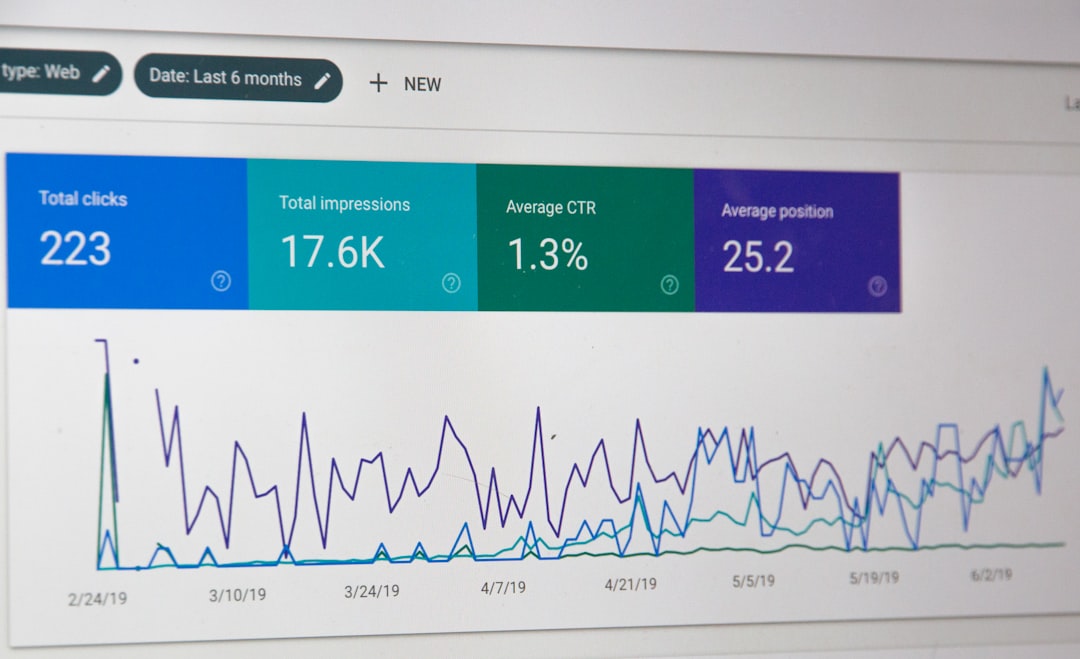
Contentful is one of the most recognized names in the headless CMS ecosystem. Built with flexibility in mind, it offers a powerful content infrastructure that enables teams to structure and distribute content across virtually any digital platform.
Why it stands out:
- API-first architecture for seamless multi-platform distribution
- Customizable content models for flexible structuring
- Rich marketplace of integrations and extensions
- Enterprise-grade scalability and security
Contentful empowers developers with RESTful and GraphQL APIs, making it easier to integrate with modern frameworks like React, Vue, and Next.js. Meanwhile, marketers benefit from an intuitive editorial interface that requires minimal technical knowledge.
Its ability to support global teams and high-traffic digital experiences makes it a popular choice for large enterprises that need scalable content infrastructure.
2. Strapi
Strapi is an open-source headless CMS that offers unmatched customization for developers. Because it’s self-hosted (with a cloud option available), it provides greater control over security, data, and deployment.
Key advantages:
- Open-source and highly customizable
- Full control over hosting environment
- Easy API creation with REST and GraphQL support
- Active developer community
Strapi is especially appealing to development teams that want complete flexibility in configuring their backend. Its customizable APIs allow developers to define content types and relationships exactly as needed.
For startups and companies with strong in-house development teams, Strapi offers a powerful solution without locking them into a proprietary ecosystem.
3. Sanity

Sanity takes a slightly different approach with its structured content philosophy. Instead of thinking in terms of pages, Sanity encourages teams to create reusable content blocks that can power multiple digital experiences.
What makes Sanity unique:
- Real-time collaboration features
- Fully customizable editing environment
- Portable Text for flexible rich content
- Powerful GROQ query language
Its real-time editing capabilities feel similar to collaborative document tools, allowing multiple users to work simultaneously. Developers can tailor the editing interface using JavaScript and React, creating workflows that match business needs.
Sanity’s emphasis on structured content makes it ideal for organizations focused on reusable components and dynamic digital products.
4. Storyblok
Storyblok bridges the gap between developers and marketers by combining headless architecture with a visual editor. This hybrid capability allows non-technical users to preview content before publishing—something often missing in purely headless systems.
Notable features:
- Visual editor with real-time preview
- Component-based content structure
- Flexible APIs for omnichannel delivery
- Strong localization support
For marketing teams that rely heavily on visual layouts, Storyblok’s preview functionality is a major advantage. Developers retain full flexibility on the frontend while content editors gain confidence through visual feedback.
Its localization features also make it particularly useful for brands operating in multiple regions and languages.
5. Contentstack
Contentstack is an enterprise-focused headless CMS built for performance, scale, and reliability. It provides extensive workflow management and automation tools that support complex organizational structures.
Top strengths:
- Advanced workflow and publishing controls
- Robust API performance
- Enterprise security and compliance standards
- Automation and personalization capabilities
Large organizations benefit from Contentstack’s governance features, which enable detailed role-based permissions and structured approval processes. Its automation tools streamline repetitive publishing tasks and support personalized customer experiences.
For enterprises managing massive content ecosystems, Contentstack offers reliability and strategic flexibility.
6. Ghost (Headless Mode)
While often recognized as a publishing platform for blogs and memberships, Ghost also functions as a headless CMS through its robust Content API. This makes it a compelling choice for content-driven businesses that prioritize publishing workflows.
Core benefits:
- Strong SEO and publishing tools built-in
- Developer-friendly API access
- Membership and subscription features
- Clean, distraction-free writing experience
Ghost is particularly effective for media companies, newsletters, and content creators who want powerful editorial tooling while still delivering content across web applications and mobile platforms.
Its headless capabilities make it more flexible than traditional blogging systems, without overwhelming users with unnecessary complexity.
Why Headless CMS Matters More Than Ever
Digital experiences are becoming increasingly fragmented. Consumers expect seamless transitions between devices—reading an article on their phone, continuing on their laptop, and interacting through a smart device at home.
A traditional CMS struggles in this environment because content and presentation are tightly coupled. A headless CMS, however, delivers content via APIs to any frontend framework or device.
The benefits include:
- Faster development cycles
- Improved omnichannel consistency
- Greater scalability
- Enhanced security
- Future-proof architecture
This flexibility allows teams to innovate without being restricted by backend limitations. Developers gain freedom in choosing modern frameworks, marketers manage structured content efficiently, and businesses scale without replatforming.
Choosing the Right Tool for Your Needs
The best headless CMS depends on your organization’s goals and technical capabilities.
- If you want a fully managed enterprise solution, Contentful or Contentstack may be the right fit.
- If you prefer open-source control, Strapi offers unmatched customization.
- If collaboration and structured content are priorities, Sanity is a strong contender.
- If your team values a visual editing experience, Storyblok provides an excellent balance.
- If you focus heavily on publishing and memberships, Ghost in headless mode is a smart choice.
Before committing, evaluate:
- Your available development resources
- Scalability requirements
- Integration needs
- Security and compliance considerations
- Budget constraints
A pilot project or proof of concept can help determine which platform aligns best with long-term objectives.
Final Thoughts
Headless CMS platforms are no longer niche developer tools—they are strategic assets for businesses operating in a multi-channel digital world. By separating content from presentation, these systems enable agility, scalability, and innovation.
Whether you’re building a global e-commerce platform, launching a mobile app, managing digital signage, or delivering content to emerging technologies, the right headless CMS can simplify operations while expanding reach.
As digital touchpoints continue to multiply, organizations that adopt headless architecture position themselves for long-term success—ready to publish anywhere, adapt quickly, and deliver seamless experiences across every platform their audiences use.