Building a minimum viable product (MVP) no longer requires a full development team or months of coding. Today, entrepreneurs, startups, and even enterprise teams can validate ideas and launch functional apps using powerful no-code tools. Platforms like Adalo have transformed how quickly digital products move from concept to market, making app creation accessible to non-technical founders.
TLDR: No-code app builders allow founders to launch MVPs quickly without writing code. Platforms like Bubble, Glide, Thunkable, Softr, and Appgyver offer powerful features for building web and mobile apps. Each tool has strengths depending on complexity, integrations, and scalability needs. Choosing the right platform depends on project goals, budget, and technical flexibility.
For founders seeking alternatives to Adalo, several platforms provide comparable — and in some cases more advanced — capabilities. Below is a closer look at five no-code app builder platforms that help teams validate ideas and launch MVPs fast.
1. Bubble
Best for: Complex web applications and scalable startups
Bubble is widely regarded as one of the most powerful no-code platforms available. Unlike many simple drag-and-drop builders, Bubble allows users to build fully dynamic web applications with custom workflows, conditional logic, and database structures.

What sets Bubble apart is flexibility. Users can:
- Create advanced database relationships
- Build complex user authentication systems
- Integrate APIs and third-party services
- Design responsive layouts
Why it’s great for MVPs: Founders can build marketplace apps, SaaS tools, internal dashboards, and social networks without engineering support. Its scalability makes it suitable not just for MVP validation but also for long-term growth.
However, Bubble’s depth can create a steeper learning curve compared to Adalo. For simple mobile-only apps, it may feel more robust than necessary.
2. Glide
Best for: Data-driven apps and internal tools
Glide transforms spreadsheets into functional mobile and web apps within hours. It’s particularly popular among startups building directory apps, client portals, and event tools.
Instead of managing complex back-end logic manually, users connect Glide to Google Sheets or its native Glide Tables. Changes to data are reflected instantly in the app.
- Quick setup with minimal configuration
- Built-in user authentication
- Clean and modern UI components
- Excellent performance for business tools
Why it’s great for MVPs: Teams can launch working prototypes the same day they define their data structure. For idea validation, speed often matters more than deep customization — and Glide excels at speed.
The main limitation is design flexibility and highly complex logic. Glide works best when the product revolves around structured data rather than advanced workflows.
3. Thunkable
Best for: Cross-platform native mobile apps
Thunkable allows creators to build mobile apps that run on both iOS and Android from a single project. Its drag-and-drop builder combined with logic blocks makes mobile-specific functionality accessible.
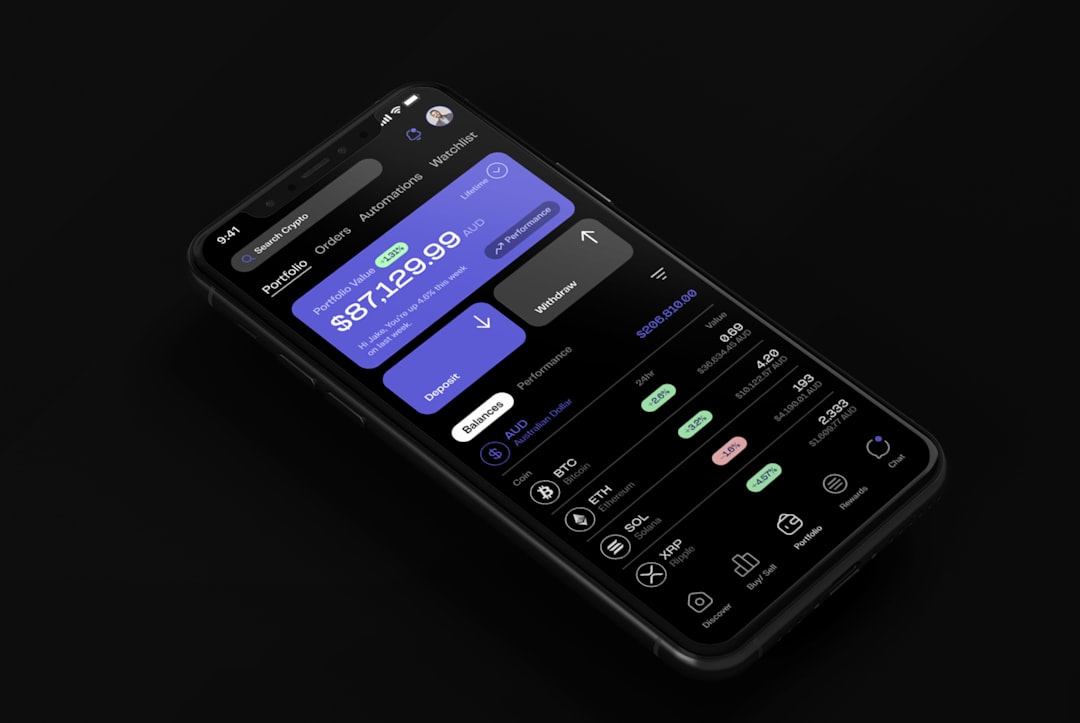
Unlike many no-code platforms focused on web apps, Thunkable specializes in native mobile features such as:
- GPS integration
- Push notifications
- Camera and media access
- Device sensors
Why it’s great for MVPs: Founders developing fitness apps, delivery platforms, or community apps can test real mobile interactions quickly. Publishing directly to app stores is supported, making it easier to gather real-world feedback.
While Thunkable is powerful, it may require slightly more design refinement to achieve highly polished UI compared to visual-first builders.
4. Softr
Best for: Client portals, directories, and marketplace MVPs
Softr enables users to build web apps on top of Airtable or Google Sheets. It’s a strong choice for founders who want structured content presented in a polished format.
With pre-built blocks and templates, Softr makes it simple to launch:
- Membership sites
- Job boards
- Online communities
- Resource directories
Why it’s great for MVPs: Founders can focus on validating market demand instead of managing architecture. Softr handles responsiveness, authentication, and layout styling.
Although customization is somewhat limited compared to Bubble, it dramatically reduces build time for structured projects.
5. Appgyver (SAP Build Apps)
Best for: Enterprise-grade no-code applications
Appgyver — now known as SAP Build Apps — offers advanced no-code functionality with strong backend integration options. It supports visual logic building while enabling deeper customization compared to many competitors.
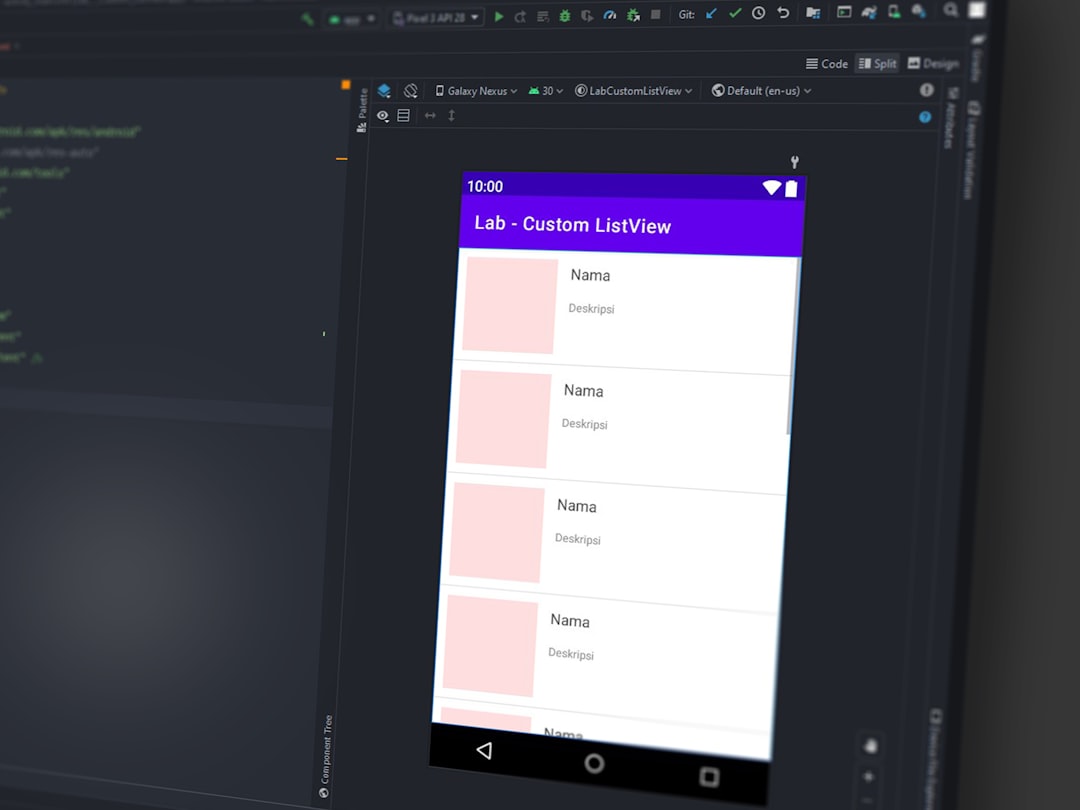
Key capabilities include:
- Complex logic flows
- REST API integrations
- Web and mobile deployment
- Scalable architecture options
Why it’s great for MVPs: Startups targeting enterprise clients often need secure workflows and integrations early. Appgyver allows teams to demonstrate sophisticated functionality without heavy engineering investment.
It may feel overwhelming for beginners, but for technically inclined founders, it offers exceptional depth.
Feature Comparison Chart
| Platform | Best For | Mobile Apps | Web Apps | Complex Logic | Ease of Use |
|---|---|---|---|---|---|
| Bubble | Scalable web startups | Limited (via wrapper) | Yes | High | Moderate |
| Glide | Data-driven tools | Yes | Yes | Medium | Easy |
| Thunkable | Native mobile apps | Yes | Limited | Medium | Moderate |
| Softr | Portals and directories | Responsive web | Yes | Low to Medium | Very Easy |
| Appgyver | Enterprise solutions | Yes | Yes | High | Moderate to Advanced |
How to Choose the Right No-Code Platform
Selecting the right no-code builder depends on the product vision and long-term goals. Founders should evaluate:
- Product complexity: Does the app require advanced workflows?
- Platform focus: Mobile-first or web-first?
- Data structure: Spreadsheet-based or relational databases?
- Scalability needs: Will the MVP evolve into a full SaaS product?
- Learning curve: How quickly does the team need to launch?
For rapid validation, Glide or Softr may be ideal. For more ambitious marketplace or SaaS projects, Bubble or Appgyver offer room to grow. Mobile-first startups may prefer Thunkable for direct app store deployment.
Why No-Code Is Ideal for MVP Development
MVPs are designed to test assumptions with minimal investment. Traditional development can cost tens of thousands of dollars before user validation even begins. No-code tools reduce:
- Development timelines
- Engineering costs
- Technical dependency
- Iteration delays
More importantly, they accelerate learning. Founders can launch, gather feedback, adjust features, and relaunch — often within weeks instead of months.
In today’s competitive startup ecosystem, speed is often the deciding factor between traction and stagnation. No-code platforms empower teams to focus on solving real customer problems instead of managing infrastructure.
FAQ
1. Are no-code apps scalable?
Many no-code platforms, especially Bubble and Appgyver, support scalable applications. However, scalability depends on app complexity, hosting plans, and architecture decisions made early in development.
2. Can no-code apps be published to the App Store and Google Play?
Yes. Platforms like Thunkable and Appgyver allow direct publishing to app stores. Others, like Bubble, may require wrapper tools for mobile deployment.
3. Is no-code secure enough for business applications?
Most major platforms implement strong security standards including SSL encryption and user authentication systems. Enterprise-focused tools often include advanced permission controls and secure API connections.
4. How long does it take to build an MVP using no-code?
Depending on complexity, a basic MVP can be launched in days or weeks. More advanced platforms may take a month or more to fully configure.
5. What happens if a startup outgrows a no-code platform?
Some startups rebuild with custom code after validation. Others continue scaling within their chosen platform. Many no-code tools now offer robust backend support, making migration less urgent than it once was.
6. Do investors take no-code startups seriously?
Investors primarily care about traction, revenue, and problem validation. Many successful startups began as no-code MVPs before evolving into fully engineered platforms.
No-code technology has fundamentally changed how digital products are built and tested. Platforms like Bubble, Glide, Thunkable, Softr, and Appgyver offer diverse pathways for founders to transform ideas into functional MVPs quickly. By choosing the right tool based on project goals, entrepreneurs can validate faster, reduce risk, and enter the market with confidence.