
In 2026, artificial intelligence has evolved far beyond simple chatbots and content generators. One of the most discussed developments is the rise of unfiltered AI—systems designed to operate with minimal content restrictions compared to mainstream, highly moderated models. Supporters call it a leap toward openness and creative freedom. Critics warn it may amplify misinformation, harmful content, and ethical gray areas. So what exactly is unfiltered AI, how does it work, and why do recent surveys suggest that nearly 60% of users prefer it over heavily restricted models?
TLDR: Unfiltered AI in 2026 refers to artificial intelligence systems with fewer content restrictions, allowing broader, more candid outputs. They use similar core architectures as standard AI models but operate with lighter moderation layers. About 60% of users say they prefer unfiltered AI for its transparency, creativity, and fewer refusals. However, the risks include misinformation, harmful outputs, and legal and ethical challenges.
Let’s break down how unfiltered AI works, why it has become so popular, and what trade-offs come with the freedom it offers.
What Is Unfiltered AI?
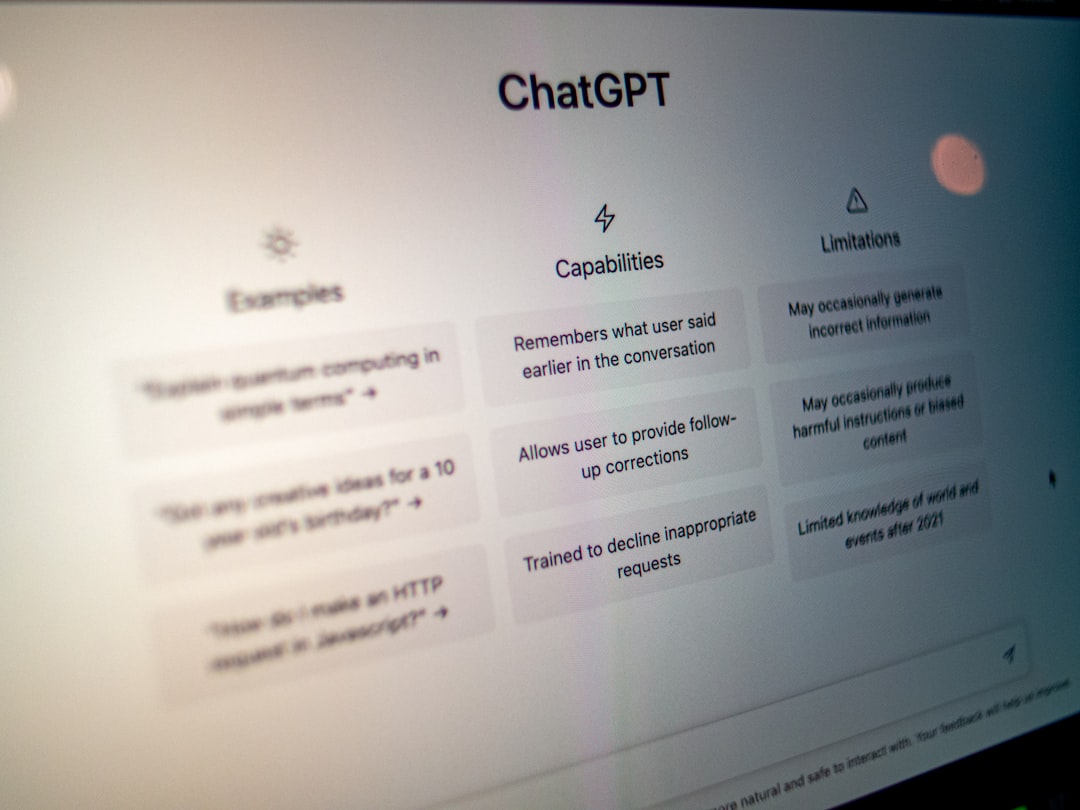
Unfiltered AI refers to artificial intelligence systems that operate with significantly reduced content moderation compared to mainstream AI platforms. While traditional AI models are typically programmed with extensive guardrails—blocking or restricting harmful, explicit, political, medical, or controversial content—unfiltered AI platforms loosen or remove many of these limitations.
This does not mean the AI lacks alignment entirely. Most credible unfiltered models still block illegal or clearly dangerous activities. However, they may allow:
- Open discussions of controversial topics
- Detailed fictional or speculative scenarios
- Unrestricted creative writing
- Blunt or uncensored language
- Critical political or philosophical debate
The defining characteristic is reduced intervention. Instead of frequent refusals or sanitized responses, unfiltered AI provides more direct answers—even when the topic is complex or sensitive.
How Unfiltered AI Works in 2026
Technically, unfiltered AI runs on the same foundational technologies as filtered systems. The difference lies in the layers of moderation and alignment applied after training.
1. Core Model Training
Most unfiltered AI systems in 2026 are built on large language models (LLMs) or multimodal models trained on diverse datasets that include:
- Books, academic papers, and journalism
- Public web content
- Forums and social discussions
- Code repositories
Training uses advanced transformer architectures, often with trillions of parameters. The core training typically remains similar regardless of filtering philosophy.
2. Alignment Tuning
Where unfiltered AI differs is during post-training alignment. Standard AI models undergo extensive reinforcement learning from human feedback (RLHF), constitutional AI training, and rule-based restrictions.
Unfiltered AI applies one or more of the following approaches:
- Minimal RLHF focused only on legality and extreme harm
- User-controlled safety toggles
- Contextual disclaimers instead of outright refusals
- Decentralized oversight rather than centralized moderation
In some cases, moderation is optional. Users can choose between “standard mode” and “open mode,” giving them more autonomy over the AI’s behavior.
3. Decentralized Hosting
Another shift in 2026 is the rise of decentralized AI infrastructure. Some unfiltered AI models operate through:
- Open-source communities
- Blockchain-based access systems
- Private, locally hosted AI instances
This reduces corporate oversight and increases user control—but also reduces centralized accountability.
Why 60% of Users Prefer Unfiltered AI
Recent tech surveys and usage analytics from 2025–2026 indicate that roughly 60% of frequent AI users prefer systems with fewer restrictions. The reasons are both practical and philosophical.
1. Fewer Refusals
One of the most common frustrations with heavily restricted AI is the frequent message: “I’m unable to assist with that.”
Users report that unfiltered AI:
- Provides more complete answers
- Doesn’t prematurely shut down nuanced discussion
- Handles gray areas with explanation instead of blocking
2. Greater Creative Freedom
Writers, artists, and game developers particularly prefer unfiltered systems for storytelling flexibility. These models can support:
- Darker fiction themes
- Complex antagonists and moral ambiguity
- Satire without overcorrection
- Experimental or adult narratives
For creative industries, guardrails can sometimes feel like creative constraints.
3. Perceived Transparency
Many users argue that unfiltered AI feels more “honest.” Instead of reshaping responses to meet institutional tone standards, the AI delivers raw output.
This creates a perception—accurate or not—that the information is less manipulated.
4. Intellectual Exploration
In academic and philosophical circles, restricted models sometimes avoid controversial topics. Unfiltered AI systems enable exploration of:
- Political theory comparisons
- Ethical dilemmas
- Taboo historical events
- Unpopular perspectives
For researchers, avoiding artificial boundaries can feel essential to intellectual rigor.
The Risks of Unfiltered AI
While the appeal is clear, the risks are real and cannot be ignored.
1. Misinformation Amplification
Without stricter moderation, unfiltered AI may generate:
- False medical claims
- Conspiracy narratives
- Unverified historical assertions
Even when unintended, AI-generated misinformation can spread rapidly when shared online.
2. Harmful or Dangerous Content
Looser safeguards increase the likelihood of producing harmful instructions or unethical recommendations. While many unfiltered systems still block extreme illegality, the thresholds may vary.
3. Legal Liability
In 2026, regulatory scrutiny around AI has intensified. Companies deploying unfiltered systems face:
- Compliance challenges across different countries
- Increased legal exposure
- Potential platform bans
Governments are actively debating where freedom ends and responsibility begins.
4. Ethical Concerns
Ethicists argue that AI systems influence public opinion. If unfiltered AI outputs biased, extreme, or inflammatory content, it can subtly shape social narratives.

Filtered vs. Unfiltered AI: A Comparison
| Feature | Filtered AI | Unfiltered AI |
|---|---|---|
| Content Restrictions | High | Low to Moderate |
| Refusal Rate | Frequent on sensitive topics | Less frequent |
| Creative Flexibility | Moderate | High |
| Misinformation Risk | Lower | Higher |
| Regulatory Compliance | Easier to maintain | More complex |
| User Control | Limited | Often customizable |
The Future of Unfiltered AI
By 2026, the debate is no longer about whether unfiltered AI should exist. It already does. The real question is how it should be managed.
Emerging trends include:
- User-tiered systems: Advanced access granted through verification or professional credentials.
- Transparent disclaimers: Clear labeling of AI-generated content.
- Auditable logs: Secure tracking of high-risk interactions.
- AI literacy education: Teaching users to critically evaluate outputs.
Some experts predict a hybrid future where AI platforms allow customizable guardrails—letting individuals decide how much filtering they want, within legal boundaries.
Why This Debate Matters
AI is no longer just a tool. It is a cognitive partner influencing writing, research, coding, entertainment, and decision-making. Whether AI is tightly restricted or broadly permissive affects:
- Freedom of expression
- Information reliability
- Public discourse
- Digital safety
The fact that 60% of users prefer unfiltered AI suggests a strong demand for autonomy and openness. Yet freedom without responsibility can lead to unintended societal costs.
The challenge of 2026 is balance: encouraging innovation and intellectual exploration while minimizing harm. Unfiltered AI represents both the promise and peril of artificial intelligence in its most liberated form.
As the technology continues to evolve, one thing is certain—how we choose to filter (or not filter) AI will shape the digital landscape for years to come.