Square has become one of the most popular payment processors for small businesses, freelancers, and retail stores. Its transparent pricing and easy-to-use hardware make it appealing, but many business owners still ask: How much does Square charge per transaction? The answer depends on how payments are accepted, the type of transaction, and additional services used.
TLDR: Square typically charges 2.6% + $0.10 per in-person transaction and 2.9% + $0.30 per online transaction. Manually entered payments cost more at 3.5% + $0.15. While there are no monthly fees for basic processing, businesses may incur additional costs for hardware, advanced features, chargebacks, or optional subscriptions. Understanding the complete fee structure helps avoid surprises and protects profit margins.
Square’s Standard Credit Card Processing Fees (2026)
Square uses a flat-rate pricing model, meaning businesses pay a consistent percentage plus a fixed fee per transaction. This makes costs predictable, unlike interchange-plus pricing used by some traditional merchant accounts.
- In-person payments: 2.6% + $0.10 per transaction
- Online payments: 2.9% + $0.30 per transaction
- Manually entered payments: 3.5% + $0.15 per transaction
- Recurring billing invoices: 3.3% + $0.30 per transaction
For example, if a retail store processes a $100 in-person sale, the fee would be:
2.6% of $100 = $2.60
+ $0.10 fixed fee
Total fee: $2.70
The business receives $97.30 in net revenue.

Why In-Person Transactions Cost Less
Card-present transactions (when a customer taps, dips, or swipes their card) have lower fees because they carry less fraud risk. When a card is physically present, fraud detection tools can better verify identity.
Manually entering card details increases fraud risk. This is why keying in card numbers costs 3.5% + $0.15, making it the most expensive standard payment method with Square.
Online and E-Commerce Fees
Square’s online transaction fee of 2.9% + $0.30 applies to:
- E-commerce website payments
- Online checkout links
- Digital invoices paid through web browsers
- Card-not-present transactions
This rate is competitive with other processors like Stripe and PayPal. However, for small-ticket items, the flat $0.30 fee can significantly impact profit margins.
Example: A $5 online sale costs:
2.9% of $5 = $0.145
+ $0.30
Total: $0.445 (~$0.45)
That’s nearly 9% of the total transaction amount.
Are There Monthly Fees?
One reason Square is attractive to startups is its no required monthly fee model for standard payment processing. Businesses can sign up without long-term contracts or minimum commitments.
However, optional tools and advanced features may carry monthly charges.
Optional Monthly Add-Ons (2026)
- Square for Restaurants Plus: Starting around $60/month per location
- Square Appointments Premium: Around $29–$69/month
- Square Payroll: Base fee plus per-employee charge
- Loyalty programs: Monthly subscription based on customer participation
These services are not mandatory but can increase total operating costs.
Hardware Costs
Although Square offers a free magstripe reader for new accounts, upgraded hardware comes at a price.
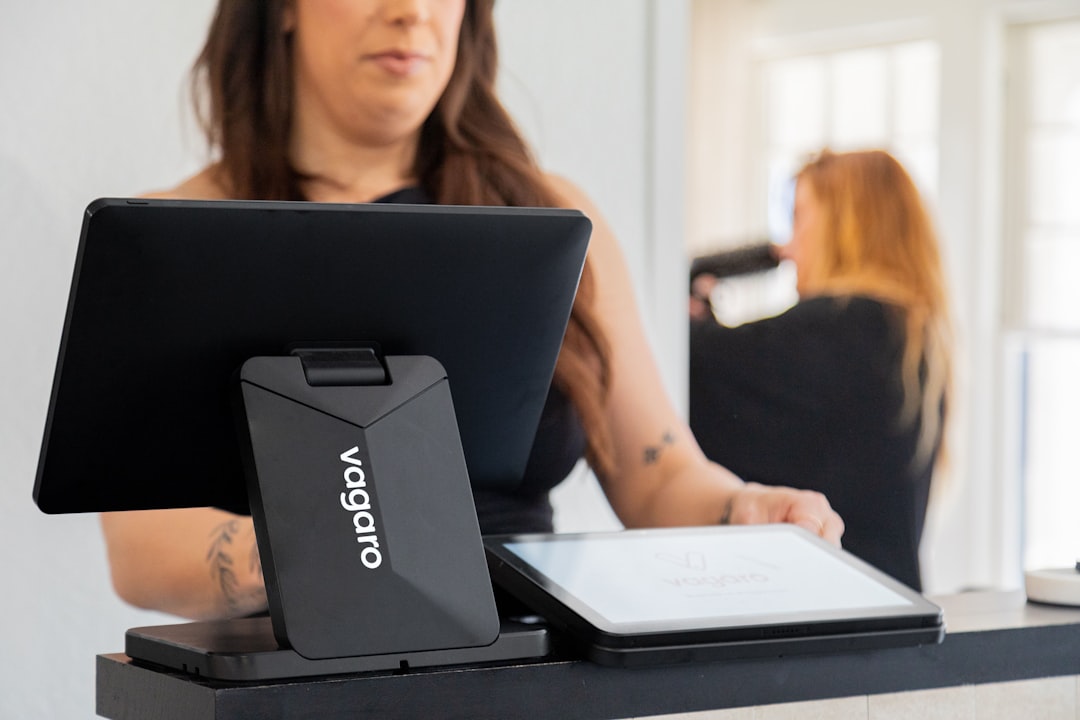
- Square Reader for contactless and chip: Approximately $59
- Square Stand: Around $149–$199
- Square Terminal: Around $299
- Square Register: Around $799
While these are one-time purchases, they increase the true cost of adopting Square.
Chargebacks and Dispute Fees
Unlike many traditional processors, Square does not charge a separate chargeback fee. This can be a significant savings, as competitors often charge $15–$25 per dispute.
However, businesses are still responsible for refunding disputed amounts if they lose the case.
Square Instant Transfers
Square deposits funds into bank accounts within one to two business days at no extra cost. For businesses needing faster access, instant transfers are available 24/7.
- Instant transfer fee: 1.75% of the transfer amount (minimum $0.50)
This optional service can add up if used frequently.
Are There Hidden Fees?
Square markets itself as transparent, and compared to traditional merchant accounts, it is. Still, business owners should be aware of potential indirect costs:
- Higher fees for manually entered transactions
- Add-on subscription costs
- Instant transfer fees
- Custom payment processing rates only for high-volume sellers
- Premium POS features requiring upgrades
There are no early termination fees and no PCI compliance fees for standard users, which eliminates two common hidden charges found in other processors.
How Square Compares to Competitors
Square’s pricing is competitive, especially for small and medium-sized businesses.

- Stripe: 2.9% + $0.30 online; custom in-person pricing
- PayPal: 2.99% + fixed fee online
- Traditional Merchant Accounts: Interchange-plus model (can be cheaper but often includes monthly and hidden fees)
For low-volume businesses, Square’s flat-rate model is often easier to manage. High-volume businesses processing over $250,000 annually may qualify for custom pricing, potentially lowering their effective rate.
Who Pays the Most with Square?
Certain types of businesses tend to pay higher effective rates:
- Low-ticket businesses (coffee shops, bakeries)
- Online-only stores with small average order values
- Service providers who manually enter cards
The fixed portion of each transaction disproportionately impacts inexpensive items.
Real-World Cost Example
Consider a retail boutique processing $20,000 per month, all in-person transactions.
Processing fee per sale average: 2.6% + $0.10
Total estimated monthly fees:
2.6% of $20,000 = $520
Assume 400 transactions × $0.10 = $40
Total monthly processing fees = $560
Effective rate = 2.8%
This predictable structure is why many small retailers prefer Square.
Tips to Reduce Square Fees
- Encourage in-person payments instead of manual entry
- Increase average order value to offset fixed transaction fees
- Avoid unnecessary instant transfers
- Explore custom pricing if processing high volume
- Bundle transactions where appropriate
Small operational adjustments can meaningfully lower overall payment costs.
Is Square Worth the Cost?
For many small businesses, Square’s simplicity outweighs slightly higher fees compared to interchange-plus models. There are no long-term contracts, minimal upfront costs, and easy setup.
However, businesses with:
- Very high monthly sales volume
- Large average ticket sizes
- Established accounting departments
may benefit from negotiating merchant account pricing elsewhere.
FAQ: Square Processing Fees (2026)
1. How much does Square charge per transaction in 2026?
Square charges 2.6% + $0.10 for in-person payments, 2.9% + $0.30 for online payments, and 3.5% + $0.15 for manually entered transactions.
2. Does Square charge monthly fees?
No monthly fee is required for basic payment processing. However, optional tools like payroll, loyalty programs, and advanced POS features may have monthly subscription costs.
3. Are there hidden fees with Square?
Square is transparent compared to traditional processors. There are no early termination or PCI compliance fees, but optional services and instant transfers can increase costs.
4. How quickly does Square deposit funds?
Standard deposits arrive within one to two business days. Instant transfers are available for a 1.75% fee.
5. Is Square cheaper than PayPal or Stripe?
Square’s online fees are similar to Stripe and PayPal. It is often more competitive for in-person transactions, especially for small retail businesses.
6. Can businesses negotiate lower rates with Square?
Yes. Businesses processing large annual volumes (typically $250,000 or more) may qualify for custom pricing.
Bottom Line: Square’s transaction fees are straightforward and predictable. While not always the absolute cheapest option for high-volume enterprises, its transparent pricing, no monthly minimums, and ease of use make it one of the most accessible payment processors for small businesses in 2026.