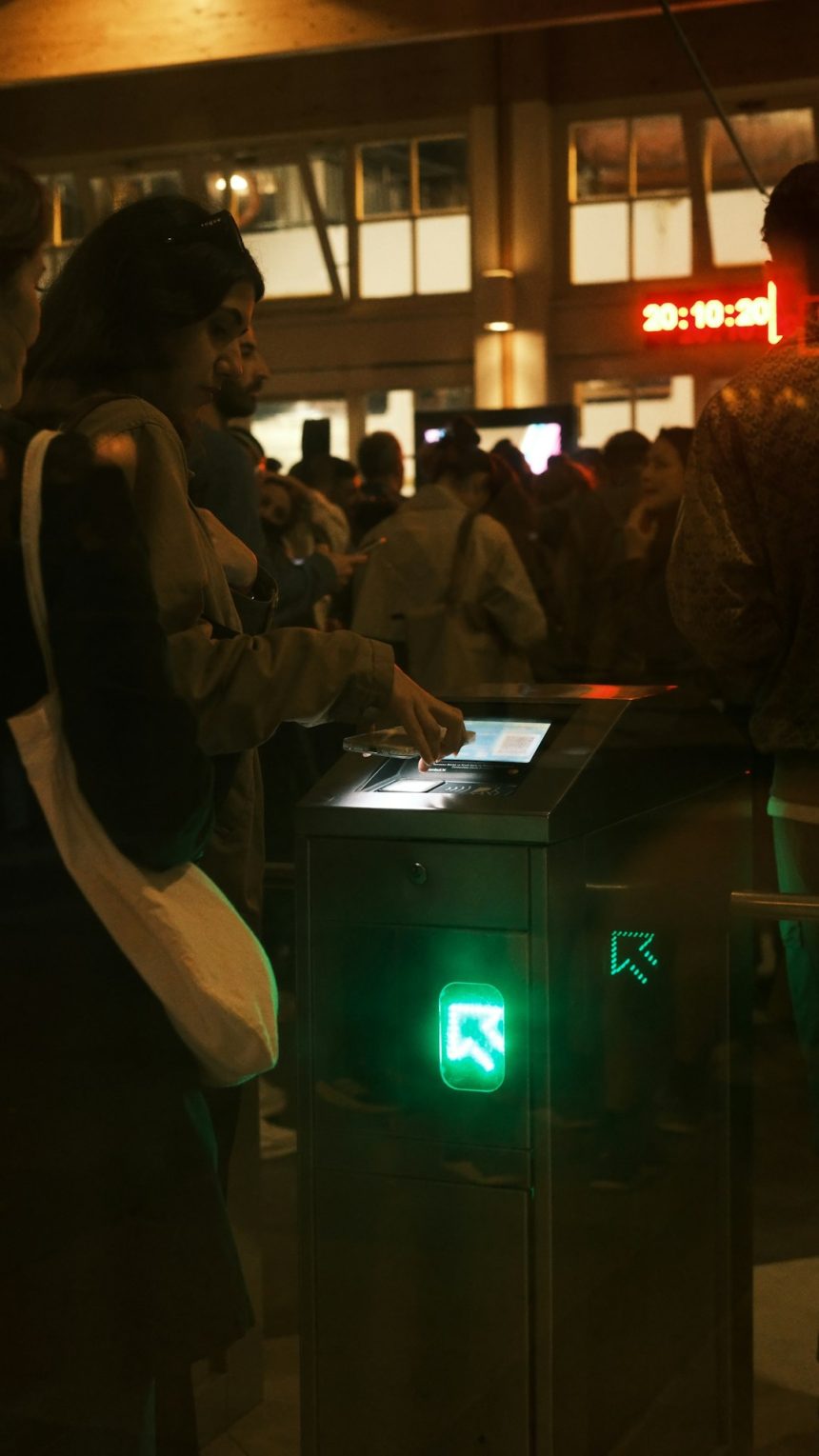
The world of work has changed. Fast. In 2026, professionals are not just switching jobs. They are switching countries. Sometimes every year. The global nomad is no longer rare. It is normal. But one big question remains. How do you carry your professional license across borders without losing time, money, and sanity?
TLDR: Professional licensing across countries used to be slow and confusing. In 2026, digital systems, global agreements, and smarter planning make it much easier. You still need research and patience. But with the right steps, moving your career across borders can be smooth and even exciting.
Let’s break it down. Simply. Clearly. Without legal jargon.
The Rise of the Global Nomad Professional
Remote work opened the door. Skill shortages kept it open. Countries now compete for talent. Doctors, engineers, architects, nurses, therapists, lawyers, financial advisors, and even teachers are moving more than ever.
But here is the catch. Many professions are regulated. That means you need a license. A local one.
You cannot just land and start working. Even if you have 10 years of experience.
That is where planning matters.

Why Licensing Is Different in 2026
Good news. Things are better now.
Here is what changed:
- Digital credential wallets store verified degrees and certifications.
- Mutual recognition agreements between countries are more common.
- AI-powered verification systems speed up background checks.
- Global skill shortage lists make licensing faster for in-demand roles.
Bad news? It is still not automatic.
Each country protects its standards. Especially in healthcare, law, construction, and finance.
So the key word is this: equivalency.
Does your qualification equal theirs?
Step 1: Know Your Profession’s Category
Not all licenses are created equal.
In general, professions fall into three groups:
- Highly regulated – Doctors, nurses, lawyers, pilots.
- Moderately regulated – Engineers, accountants, architects.
- Lightly regulated – Designers, marketers, IT consultants (sometimes optional certification).
If you are in the first group, expect exams. Possibly local training. Maybe language tests.
If you are in the second group, you may need document evaluation and proof of experience.
If you are in the third group, you might only need work authorization. Not licensing.
Knowing your category saves months of confusion.
Step 2: Research Mutual Recognition Agreements
This is where 2026 shines.
Many regions now have agreements that say: “We trust each other’s professionals.”
Examples include:
- Regional trade unions
- Common market zones
- Bilateral professional agreements
If your home country has one with your destination country, your life becomes much easier.
You may skip exams. Or reduce paperwork.
Always check official regulatory body websites. Not forums. Not social media. Go to the source.
Step 3: Go Digital First
Paper is fading. Slowly.
In 2026, many licensing boards accept:
- Verified digital diplomas
- Blockchain-secured certificates
- Online identity verification
- Remote competency interviews
Create a clean digital folder. Keep everything ready:
- Degree certificates
- Transcripts
- Proof of continuing education
- Reference letters
- Employment records
- Passport scans
This makes applications faster. Much faster.
Step 4: Understand Language Requirements
This step surprises many people.
You may be fluent in English. But the local regulator may require proof. That often means an exam.
In healthcare and law, language rules are strict. For safety reasons.
Plan early. Language exams have waiting lists.
Some countries now accept remote proctored tests. That helps.
Step 5: Budget Realistically
Licensing is not free.
Costs may include:
- Application fees
- Credential evaluation charges
- Exam fees
- Translation services
- Travel for practical assessments
- Temporary registration permits
It adds up.
But here is the upside. Many countries offer fast-track pathways for high-demand professions. Some even reimburse part of the licensing fees once you are employed.
Check government migration talent programs. They often include grants or visa bundles.
Step 6: Look for Provisional or Temporary Licenses
This is a hidden gem.
Some regulators allow you to work under supervision while your full license is processed.
This means:
- You earn income sooner.
- You gain local experience.
- You integrate faster.
It also makes employers more willing to hire you.
In 2026, provisional pathways are more common because countries need skilled workers fast.
The Role of AI in Licensing
Yes, AI is involved.
But not in scary ways.
AI now helps with:
- Credential fraud detection
- Skill comparison across education systems
- Processing large volumes of applications
- Matching professionals with licensing pathways
Some countries even have online portals where you answer questions. Then an AI tool gives you a personalized step-by-step licensing plan.
It is not perfect. But it saves time.
Image not found in postmetaRemote Work vs Local Licensing
Here is a tricky area.
If you work remotely for a company in another country, do you need a local license?
The answer: it depends.
If you serve clients in your country of residence, local rules may apply.
If you only serve clients abroad and never interact locally, you may not need a license.
Healthcare and legal services are strict. Consulting and tech are more flexible.
Always check local regulations. Assumptions can be expensive.
Common Mistakes Global Nomads Make
Let’s keep this practical.
Avoid these errors:
- Waiting until arrival to start the licensing process.
- Relying on outdated information from old blogs.
- Ignoring small documentation requests.
- Not translating documents officially.
- Assuming experience replaces examinations.
Preparation should begin 6 to 12 months before moving. Especially for regulated professions.
The Emotional Side of Licensing
This part is rarely discussed.
Relicensing can feel frustrating. You may feel like you are starting over. Even with years of experience.
That is normal.
Many professionals experience “status shock.” You were senior back home. Now you are filling out forms again.
But remember this. Licensing is not judgment. It is compliance.
Once completed, your global value increases. Significantly.
Future Trends: What’s Coming Next?
Looking ahead, the system may become even smoother.
Experts predict:
- More global digital license passports
- Faster cross-border verification
- Standardized core competency exams
- Expanded regional professional mobility zones
Some industries may eventually adopt global baseline licenses. Especially in tech and engineering.
Healthcare and law will likely remain more nationally controlled. For safety and legal consistency.
Your Simple Action Plan
Let’s end with clarity.
If you are planning to become a global nomad professional in 2026, do this:
- Identify your regulatory body in your destination country.
- Check for mutual recognition agreements.
- Prepare digital verified credentials.
- Budget for exams and fees.
- Plan language certification early.
- Explore provisional licensing options.
- Start 6–12 months before you move.
Simple steps. Big impact.
Final Thoughts
The global career is no longer a dream. It is a strategy.
Professional licensing used to be a wall. In 2026, it is more like a gate. Still there. But easier to open.
With preparation, digital tools, and the right information, your transition can be smooth.
You are not just moving countries.
You are building a borderless career.
And the world is increasingly ready for you.