Artificial intelligence has rapidly transformed digital art creation, empowering artists, designers, marketers, and hobbyists to generate stunning visuals with minimal effort. While Leonardo AI has gained popularity for its intuitive interface and high-quality image outputs, it is far from the only option available. A growing number of powerful platforms now offer comparable or even superior features, catering to different styles, workflows, and budget levels.
TLDR: Leonardo AI is a strong image-generation platform, but several powerful alternatives offer unique advantages. Midjourney excels in artistic creativity, DALL·E provides versatility and editing tools, Stable Diffusion offers open-source flexibility, Adobe Firefly integrates seamlessly with Creative Cloud, and NightCafe delivers community-driven customization. The best choice depends on budget, workflow preferences, and the level of creative control required.
Below are five of the best Leonardo AI alternatives for AI art generation, each with its own strengths and ideal use cases.
1. Midjourney
Best for highly artistic and stylized visuals
Midjourney has become one of the most recognized names in AI art generation. Known for producing visually striking, painterly, and imaginative outputs, it excels at creating surreal scenes, fantasy concepts, and cinematic compositions.

One of Midjourney’s biggest advantages is its ability to interpret abstract prompts and turn them into visually compelling artwork. Designers often praise it for its atmospheric detail, dramatic lighting, and stylistic richness.
Key Features:
- High-quality artistic outputs
- Strong style interpretation
- Active community for prompt inspiration
- Consistent aesthetic polish
Pros:
- Excellent for creative experimentation
- Produces award-worthy digital art
- Frequent updates and improvements
Cons:
- Less ideal for photorealistic brand marketing images
- Subscription required
For users who value artistry over technical precision, Midjourney stands out as one of the strongest alternatives to Leonardo AI.
2. DALL·E
Best for versatility and editing capabilities
DALL·E, developed by OpenAI, is known for its flexible prompt handling and advanced editing features. It allows users not only to generate original images but also to modify specific parts of existing visuals through inpainting and outpainting tools.
This makes DALL·E particularly valuable for marketers, product designers, and content creators who require precise adjustments to compositions.
Key Features:
- Text-to-image generation
- Inpainting and outpainting tools
- Highly detailed prompt interpretation
- User-friendly interface
Pros:
- Strong photorealism capabilities
- Editable image generation
- Suitable for commercial applications
Cons:
- Some artistic styles may feel less dramatic than competitors
- Usage-based pricing model
DALL·E is a well-rounded option for users who need both creativity and control, making it one of the most practical Leonardo AI alternatives.
3. Stable Diffusion
Best for customization and open-source flexibility
Stable Diffusion has gained popularity due to its open-source nature. Unlike many AI art platforms, it can be run locally on compatible hardware, allowing users full control over models, outputs, and custom training.
This flexibility makes it highly attractive to developers, tech-savvy artists, and businesses requiring tailor-made solutions.
Key Features:
- Open-source architecture
- Local deployment possible
- Custom model training support
- Extensive community-built plugins
Pros:
- Maximum creative control
- No mandatory subscription
- Adaptable for niche use cases
Cons:
- Steeper learning curve
- Requires technical setup
Stable Diffusion is ideal for users who prioritize flexibility and independence over plug-and-play simplicity.
4. Adobe Firefly
Best for designers within the Adobe ecosystem
Adobe Firefly integrates directly into Creative Cloud applications such as Photoshop and Illustrator, making it an appealing option for professional designers. It focuses on commercially safe content generation and seamless integration into established workflows.
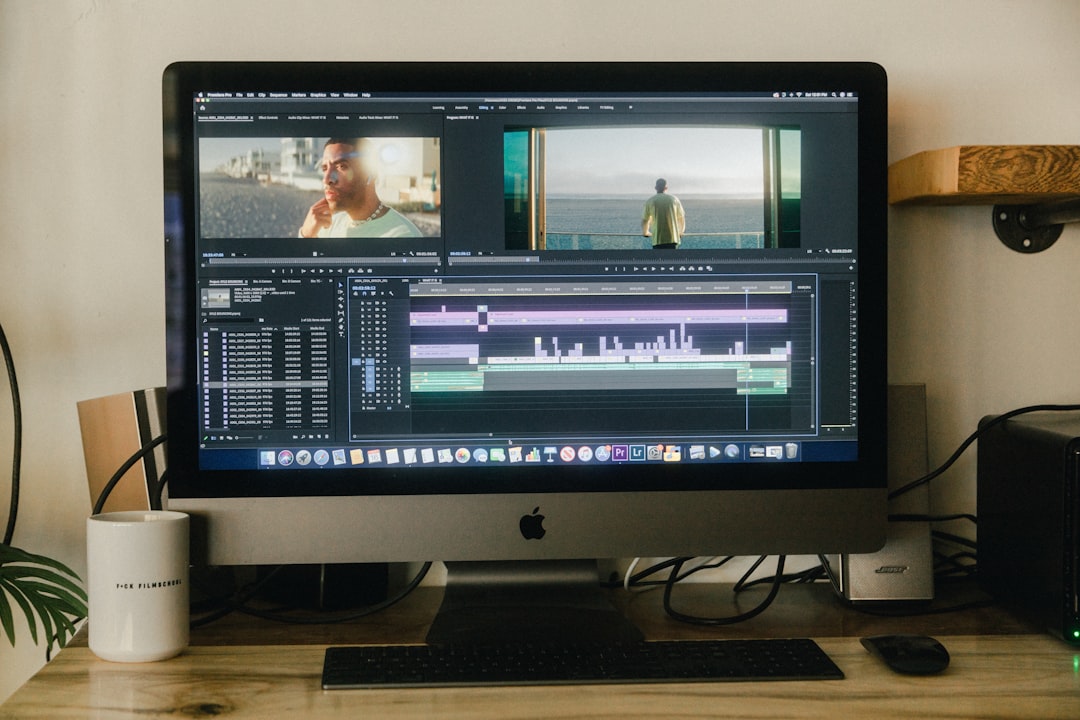
Firefly allows users to generate text effects, textures, illustrations, and even vector-based designs without leaving Adobe’s ecosystem.
Key Features:
- Seamless Adobe integration
- Text-to-image and text effects
- Vector recoloring tools
- Commercial-friendly output policies
Pros:
- Ideal for professional designers
- Smooth workflow integration
- Business-friendly licensing
Cons:
- Best experienced with Adobe subscription
- Less experimental compared to Midjourney
For professionals already invested in Adobe software, Firefly may serve as the most seamless Leonardo AI alternative.
5. NightCafe
Best for community engagement and style diversity
NightCafe is a versatile AI art platform offering multiple generation models, including diffusion-based and style-transfer algorithms. It is known for its strong community engagement, daily challenges, and accessible credit-based system.
Key Features:
- Multiple AI art algorithms
- Community challenges and sharing
- Flexible credit system
- Wide style experimentation
Pros:
- Beginner-friendly
- Active social features
- Frequent promotions and rewards
Cons:
- Output quality can vary by model
- Advanced control may be limited
NightCafe works well for hobbyists and creators who enjoy experimentation alongside social interaction.
Comparison Chart
| Platform | Best For | Ease of Use | Customization | Pricing Model |
|---|---|---|---|---|
| Midjourney | Stylized artistic visuals | Moderate | Medium | Subscription |
| DALL·E | Editing and photorealism | High | Medium | Usage-based |
| Stable Diffusion | Full customization | Low to Moderate | High | Free or self-hosted |
| Adobe Firefly | Professional design workflows | High | Medium | Adobe subscription |
| NightCafe | Community and experimentation | High | Medium | Credit system |
How to Choose the Right Alternative
Selecting the right Leonardo AI alternative depends on several factors:
- Artistic Goals: Those seeking highly stylized results may prefer Midjourney.
- Editing Needs: DALL·E excels in modifying specific image areas.
- Technical Skill Level: Stable Diffusion rewards users with development experience.
- Professional Workflow: Adobe Firefly integrates seamlessly into design pipelines.
- Community Engagement: NightCafe offers social interaction and contests.
Budget also plays a significant role. While some platforms require ongoing subscriptions, others provide pay-as-you-go credits or free open-source access.
Final Thoughts
The AI art generation landscape continues to evolve rapidly, offering creators more control, higher quality outputs, and better integration than ever before. Leonardo AI remains a strong contender, but these five alternatives demonstrate that users have multiple paths to achieving their creative vision.
Whether someone prioritizes artistic flair, commercial reliability, technical customization, or community interaction, there is an AI art platform suited to their needs. The key lies in identifying workflow priorities and experimenting with different systems to determine which provides the most satisfying results.
Frequently Asked Questions (FAQ)
1. Are these Leonardo AI alternatives suitable for commercial use?
Most platforms, including DALL·E and Adobe Firefly, offer commercially usable outputs under specific licensing terms. Users should always review each platform’s usage policies before publishing content.
2. Which alternative produces the most realistic images?
DALL·E and Stable Diffusion are often praised for photorealistic results, especially when detailed prompts are used.
3. Is there a free alternative to Leonardo AI?
Stable Diffusion can be free if self-hosted, and NightCafe offers limited free credits. However, advanced usage typically requires payment.
4. Which platform is best for beginners?
NightCafe and DALL·E are generally considered beginner-friendly due to their intuitive interfaces and minimal setup requirements.
5. Can these tools replace traditional artists?
AI tools enhance creativity and speed but do not fully replace human imagination and artistic judgment. Many professionals use them as supportive tools rather than substitutes.
6. Do these platforms require powerful hardware?
Cloud-based tools like Midjourney and DALL·E do not require specialized hardware. Stable Diffusion, if run locally, may require a powerful GPU for optimal performance.