Text-to-speech tools are everywhere today. They read blog posts. They narrate YouTube videos. They even help you study while you walk your dog. Speechify is popular. But it is not the only player in town. There are many great alternatives that can turn text into natural, human-sounding voiceovers. Some are cheaper. Some are more powerful. Some are just more fun to use.
TLDR: There are several strong alternatives to Speechify for text-to-speech and voiceovers. Tools like Murf AI, Play.ht, ElevenLabs, WellSaid Labs, and NaturalReader offer realistic voices and useful features. Some focus on studio-quality voiceovers, while others are great for casual use or accessibility. The best choice depends on your budget, language needs, and how realistic you want the voice to sound.
Let’s explore five great Speechify alternatives. We will keep it simple. No tech jargon. Just what you need to know.
1. Murf AI
If you want studio-style voiceovers without hiring a voice actor, Murf AI is a strong choice. It is built for creators. Think YouTubers. Course creators. Marketers. Podcast beginners.
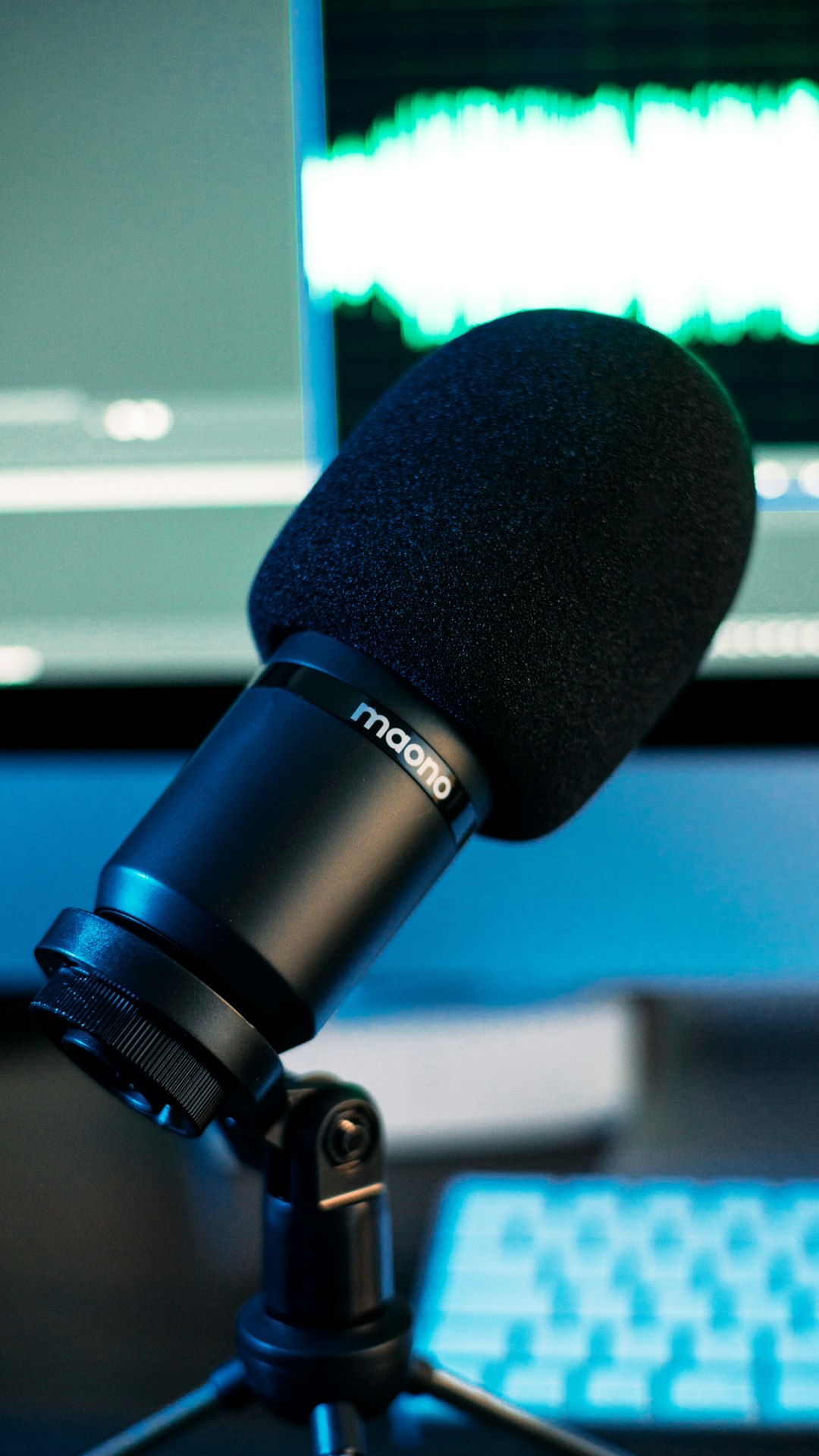
Murf offers more than 100 voices in multiple languages. The voices sound realistic. Not robotic. Not flat. You can adjust tone, pitch, and speed. That gives you more control over how your content feels.
Why people like Murf AI:
- Natural-sounding voices
- Emotion and tone control
- Easy voiceover video syncing
- Team collaboration features
You can even add pauses. Emphasize words. Change pronunciation. It feels like directing your own voice actor.
Best for: Professional voiceovers and business content.
Downside: Free plan is limited. Paid plans can feel expensive for casual users.
2. Play.ht
Play.ht is powerful. It offers a massive library of AI voices. And we mean massive. You can choose from hundreds of voices across dozens of languages and accents.
Want a British narrator? Done. Indian English accent? No problem. Friendly podcast tone? Yes.
Play.ht uses advanced AI models. Some voices sound almost human. They offer neural voices that capture emotion and pacing very well.
Standout features:
- Wide language support
- Ultra-realistic neural voices
- Voice cloning (on higher plans)
- API access for developers
You can download audio in MP3 or WAV format. That is perfect for video editing. Or audiobooks.
Best for: Businesses, developers, and global content creators.
Downside: Interface can feel overwhelming at first.
3. ElevenLabs
If realism is your top priority, ElevenLabs might blow your mind. It is famous for extremely lifelike AI voices. Some are almost indistinguishable from human speech.
ElevenLabs focuses heavily on voice quality. The expressions feel natural. The pauses make sense. The emphasis sounds real.
It also offers voice cloning. With permission, you can create a digital version of your own voice. That is powerful. And a bit futuristic.
What makes ElevenLabs special:
- Super realistic voice generation
- Emotional depth in speech
- Voice cloning technology
- Supports multiple languages
Writers love it for narrating stories. Game developers use it for characters. YouTubers use it for faceless channels.
Best for: High-quality storytelling and immersive content.
Downside: Advanced features require premium plans.
4. WellSaid Labs
WellSaid Labs feels corporate. In a good way. It is polished. Clean. Professional.
This platform is popular with companies. Especially for training videos and e-learning content. The voices sound clear. Calm. Confident.
You will not find gimmicks here. Just high-quality AI narration.
Why choose WellSaid Labs:
- Enterprise-ready voiceovers
- Consistent audio quality
- Team collaboration tools
- Simple editing interface
It works great for onboarding videos. Internal training. Product demos.
Best for: Businesses and professional training content.
Downside: Pricing is designed for companies, not hobby creators.
5. NaturalReader
NaturalReader is one of the most user-friendly tools on this list. It is simple. Clean. Easy to use.
If you just want text read aloud, this might be perfect. Students love it. So do people with reading difficulties.

It works on desktop. It works in the browser. There is even a mobile app.
What makes NaturalReader great:
- Beginner-friendly interface
- Free version available
- OCR text reader for scanned documents
- Multiple voice options
The premium voices sound much better than the free ones. But even the free version is helpful.
Best for: Personal use, students, and accessibility support.
Downside: Not as advanced as other platforms for voiceover production.
Quick Comparison Chart
| Tool | Voice Quality | Best For | Free Plan | Voice Cloning |
|---|---|---|---|---|
| Murf AI | Very natural | Professional creators | Limited | Yes (higher plans) |
| Play.ht | Highly realistic | Global businesses | Limited | Yes |
| ElevenLabs | Extremely lifelike | Storytelling and media | Yes | Yes |
| WellSaid Labs | Studio quality | Corporate training | No | No |
| NaturalReader | Good to very good | Students and personal use | Yes | No |
How to Choose the Right One
Not all text-to-speech tools are created equal. The right one depends on your goals.
Ask yourself these questions:
- Do I need studio-level voice quality?
- Am I creating content for YouTube or TikTok?
- Is this for business training?
- Do I just want help reading articles aloud?
- How much am I willing to spend?
If you want the most human-like voices, look at ElevenLabs or Play.ht.
If you want a business-ready tool, consider WellSaid Labs or Murf AI.
If you just need something simple and helpful, NaturalReader might be enough.
Final Thoughts
Speechify may be popular. But it is not your only option.
Today’s AI voices are impressive. They sound natural. They carry emotion. They can tell stories. Teach lessons. Sell products.
The real magic is in how you use them.
Want to build a faceless YouTube channel? Done. Need to narrate an audiobook? Easy. Creating employee training videos? Simple.
Text-to-speech technology is growing fast. Voices are becoming more human every year. Which means better content for everyone.
Take advantage of free trials. Test the voices. Hear the difference. Trust your ears.
Because sometimes, the right voice makes all the difference.