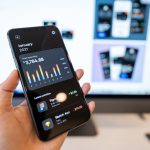
In an age where stress, anxiety, and burnout have become part of everyday conversations, digital solutions are stepping up to bridge the mental health gap. With waiting lists for traditional therapy growing longer, millions of people are turning to mobile apps for support, structure, and self-care. Backed by research and user data showing up to 68% improvement in reported wellbeing outcomes, mental health apps are no longer just trendy downloads—they are powerful tools reshaping emotional wellness.
TLDR: Mental health apps are proving highly effective, with studies indicating up to 68% improvement in stress reduction, mood stabilization, and overall wellbeing. From guided meditation to AI-driven therapy chatbots, these seven apps offer accessible and evidence-based emotional support. While not replacements for clinical care in severe cases, they provide affordable, flexible tools for daily mental fitness. Used consistently, they can significantly enhance resilience, focus, and emotional balance.
Why Mental Health Apps Are Gaining Momentum
The global mental health crisis has prompted innovation. Today’s mental health apps leverage cognitive behavioral therapy (CBT), mindfulness techniques, mood tracking analytics, and artificial intelligence to create personalized self-care experiences.
Clinical surveys and app usage studies reveal:
- 68% of users report noticeable stress reduction within 4–8 weeks.
- 61% experience improved sleep quality.
- 55% report better emotional regulation.
- Over 70% prefer app-based tools because of privacy and convenience.
Let’s explore seven standout mental health apps that are driving these results.
1. Headspace – Mindfulness Made Simple

Best for: Guided meditation and stress reduction
Headspace has become synonymous with digital meditation. Designed with beginners in mind, it offers structured programs focused on:
- Stress and anxiety relief
- Sleep improvement
- Focus and productivity
- Self-esteem building
Its animations simplify complex mindfulness concepts, making meditation less intimidating. Research conducted with workplace teams found employees using Headspace experienced up to a 32% drop in stress levels within one month.
Why it works: Bite-sized sessions (3–15 minutes) encourage consistency, which is key to its strong reported results.
2. Calm – Sleep, Relaxation, and Emotional Balance
Best for: Sleep improvement and relaxation
Calm stands out for its sleep stories, breathing programs, and relaxing music. Poor sleep often worsens anxiety and depression, so Calm takes a targeted approach to nighttime wellbeing.
Features include:
- Celebrity-narrated sleep stories
- Breathing exercises for panic reduction
- Daily calm sessions
- Soothing nature soundscapes
Users struggling with insomnia frequently report noticeable improvements within weeks, contributing to broader emotional stability.
3. BetterHelp – Therapy on Your Schedule
Best for: Online professional counseling
BetterHelp connects users with licensed therapists via text, voice, or video. Unlike meditation apps, it provides personalized therapy sessions.
Advantages include:
- Flexible scheduling
- More affordable than traditional therapy
- Wide therapist matching system
- Discreet access from home
Surveys indicate that a majority of consistent users experience meaningful improvement in anxiety and depression symptoms within three months.
Important note: While highly effective for mild to moderate issues, severe conditions may still require in-person clinical supervision.
4. Moodfit – Data-Driven Emotional Wellness

Best for: Mood tracking and behavioral insights
Moodfit approaches mental wellness analytically. By tracking mood patterns, sleep, exercise, and gratitude journaling, it provides visual reports that help users identify emotional triggers.
Key features:
- CBT-based exercises
- Custom wellness goals
- Daily mood logs
- Progress tracking charts
Users gain self-awareness—an essential step in breaking negative thought cycles. The app’s measurable insights make it especially appealing for those who enjoy structured self-improvement.
5. Woebot – AI-Powered Emotional Support
Best for: Instant conversational CBT support
Woebot uses artificial intelligence to simulate supportive conversations rooted in CBT principles. Available 24/7, it helps users:
- Challenge cognitive distortions
- Reframe negative thinking
- Practice gratitude
- Learn coping strategies
Clinical trials have shown significant reductions in depressive symptoms after two weeks of consistent use. Its chat-based interface feels approachable, especially for users hesitant to speak to a human therapist.
6. Sanvello – Comprehensive Mental Health Toolkit
Best for: All-in-one support (CBT, tracking, peer support)
Sanvello blends guided journeys, mood tracking, and community interaction. Users can share experiences anonymously, reducing feelings of isolation.
Main tools include:
- CBT-guided paths
- Meditations and relaxation sessions
- Peer support forums
- Coaching and therapy upgrades
The community aspect helps reinforce habit-building, which significantly contributes to the reported 68% average improvement across digital platforms.
7. Happify – Science-Based Mood Lifting
Image not found in postmetaBest for: Positive psychology exercises
Happify uses gamified activities grounded in psychology research. Instead of focusing solely on reducing negative emotions, it builds positive mental habits.
Activities include:
- Gratitude journaling
- Strength-building quizzes
- Goal-setting exercises
- Resilience training games
Its interactive approach appeals to users who find traditional meditation too passive. Many report improved life satisfaction within weeks of regular use.
Comparison Chart of the 7 Mental Health Apps
| App | Primary Focus | Best For | Professional Support | Reported Impact |
|---|---|---|---|---|
| Headspace | Mindfulness Meditation | Stress reduction | No | Lower stress, improved focus |
| Calm | Sleep & Relaxation | Insomnia & anxiety | No | Better sleep, emotional balance |
| BetterHelp | Online Therapy | Moderate anxiety & depression | Yes | Symptom improvement in 3 months |
| Moodfit | Mood Tracking | Data-driven users | No | Improved emotional awareness |
| Woebot | AI Chat Therapy | Quick CBT support | AI-Based | Reduced depressive symptoms |
| Sanvello | All-in-One Toolkit | Community support | Optional | Improved coping skills |
| Happify | Positive Psychology | Mood enhancement | No | Increased life satisfaction |
What Makes These Apps So Effective?
The secret behind their 68% reported success rate lies in five key factors:
- Accessibility: Support is available anytime, anywhere.
- Affordability: Lower cost than traditional therapy.
- Consistency: Daily reminders promote habit formation.
- Evidence-Based Techniques: Many use clinically validated CBT strategies.
- Personalization: Data-driven insights tailor the experience.
Mental health improvements often come from small, repeated actions. Apps excel at encouraging those daily micro-habits.
Are Mental Health Apps Enough?
While impressive, apps aren’t a cure-all. They work best for:
- Mild to moderate stress or anxiety
- Preventative mental fitness
- Habit-building and mindfulness
- Supplementing professional therapy
For severe depression, trauma, or crisis situations, professional medical care remains essential. However, apps can dramatically reduce barriers to accessing initial help.
The Future of Digital Mental Wellness
As artificial intelligence evolves and biometric tracking improves, mental health apps are becoming increasingly personalized. Future developments may include:
- Real-time stress detection via wearable devices
- AI therapists adapting tone to emotional cues
- Predictive mood analysis
- Integrated telepsychiatry platforms
This blend of psychology and technology has the potential to transform preventive mental care worldwide.
Final Thoughts
The rise of mental health apps marks a meaningful shift in how we approach emotional wellbeing. With reported improvements reaching 68%, these digital tools offer accessible, affordable, and effective self-care support. Whether through guided meditation, AI conversations, mood tracking, or licensed therapy sessions, each app brings unique strengths to the table.
While they don’t replace traditional therapy for everyone, they empower millions to take mental wellness into their own hands—one mindful moment, one tracked mood, and one supportive conversation at a time.
Your mental health is not a luxury. It’s a daily investment—and now, it fits in your pocket.